


Change the world with Science
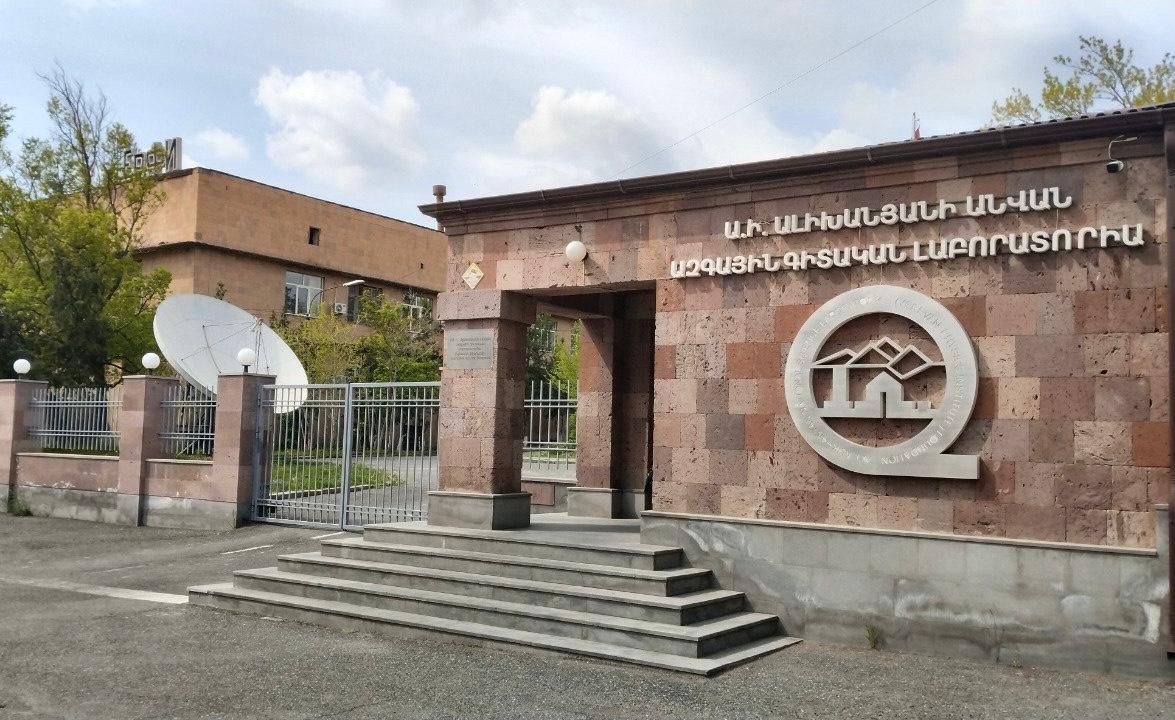
The Alikhanyan National Science Laboratory (AANL) is a leading research center in science and technology, bringing together highly qualified scientists, young researchers, and experienced technical staff to address key challenges in fundamental and applied science. AANL consistently strengthens its position as a leading scientific institution in the region by conducting competitive and innovative research in line with international standards. As a full and active member of the international scientific community, AANL holds a strong position on the global scientific stage, cooperating with research institutions in more than 50 countries and participating in major international scientific programs.
Read


Divisions
-
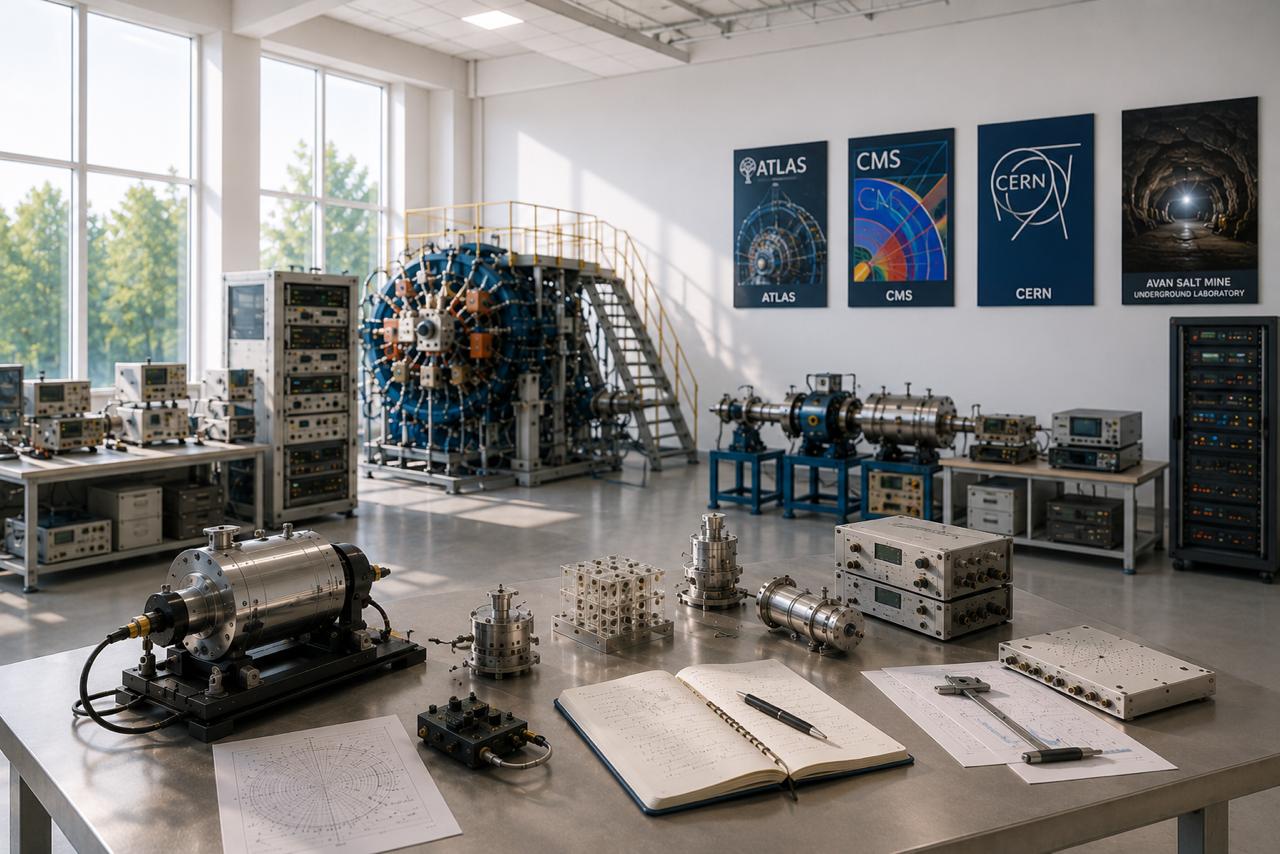
Experimental Physics Division
-

Matinyan Center for Theoretical Physics
-

Division for Quantum Technologies
-
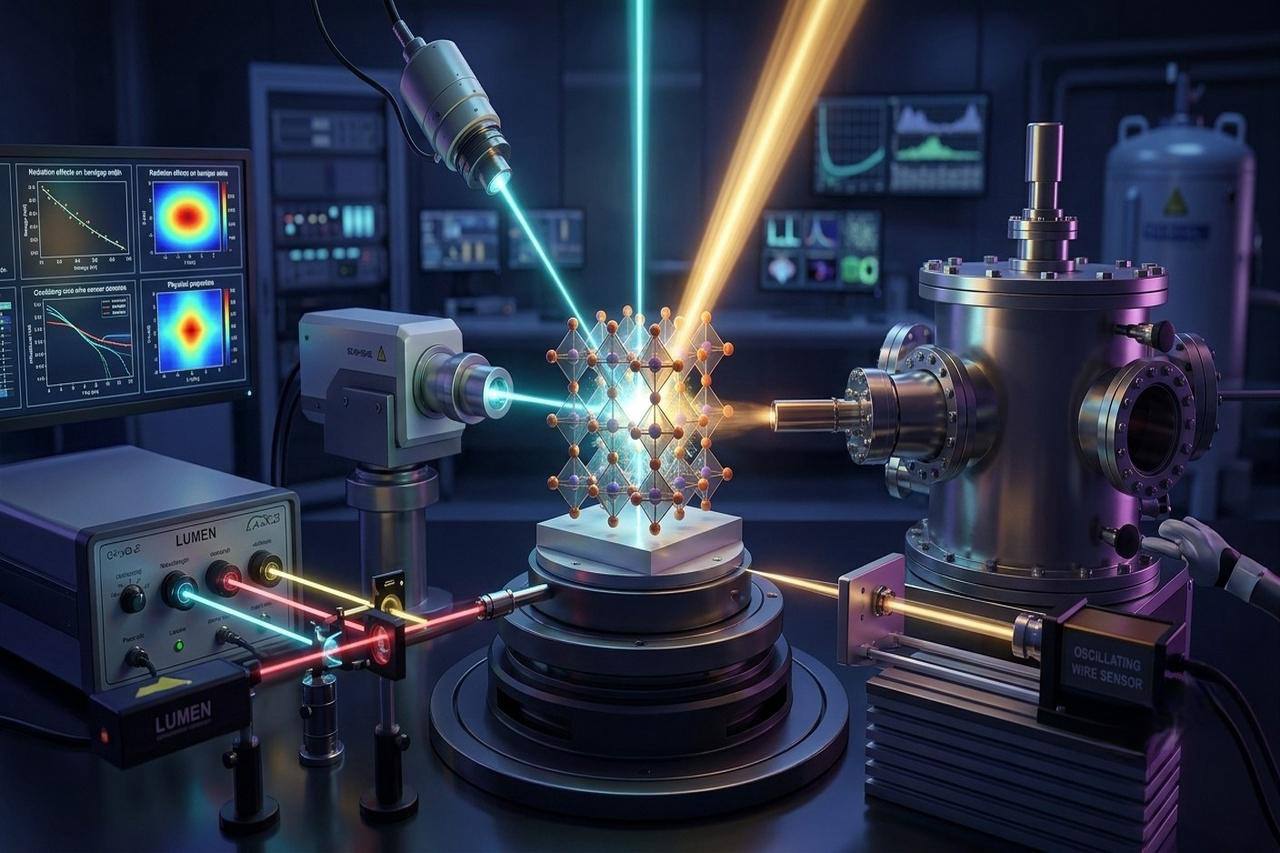
Applied Physics Research Division
-
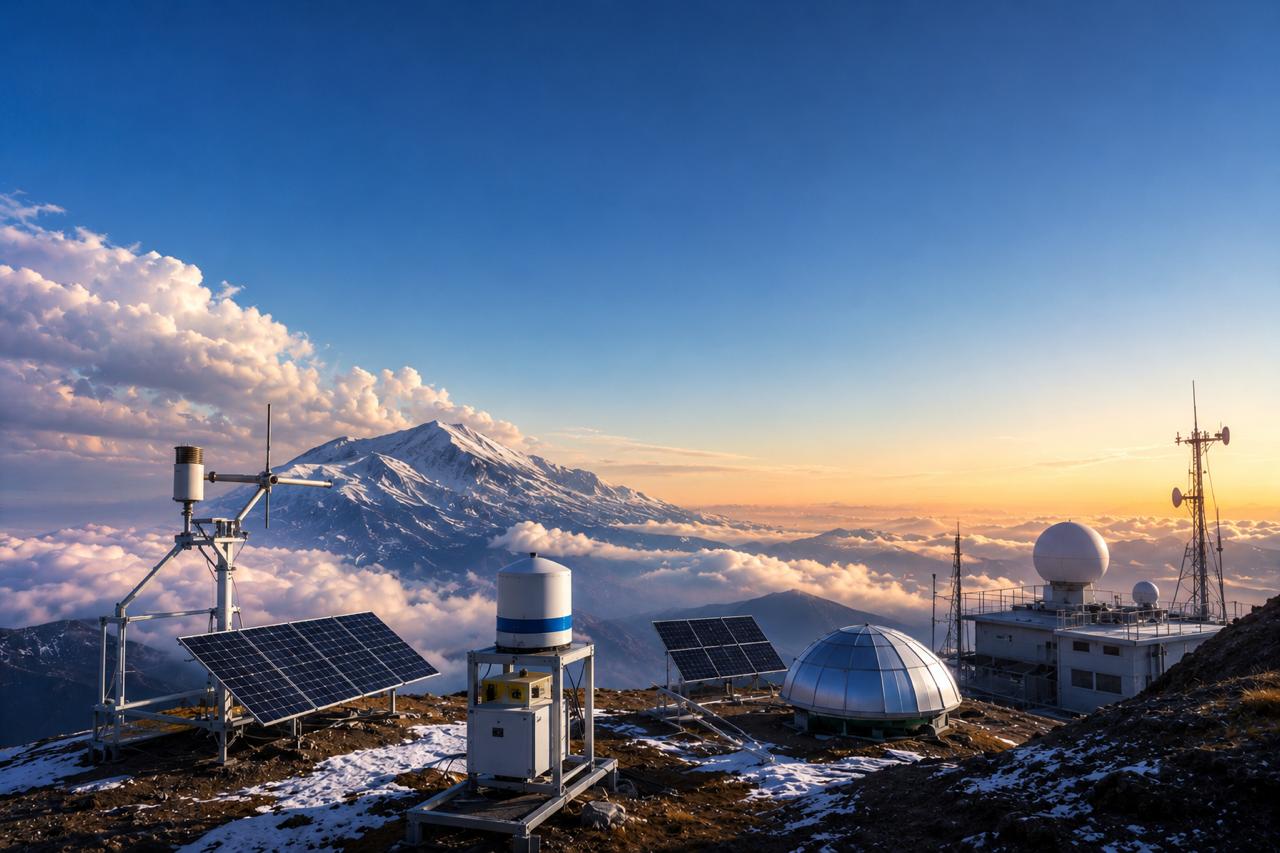
Cosmic Ray Division
-

Center for Cosmology and Astrophysics
-
Isotopes Research and Production Division
-

Computational Physics and IT Division

Upcoming events1
All events
News
All news




Our Partners








Historical Overview
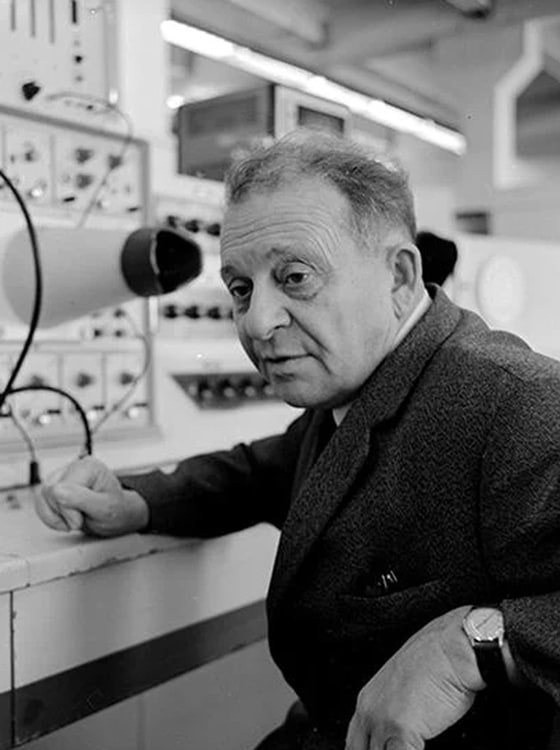
Artem Alikhanyan
The Yerevan Physics Institute (YerPhI) was founded in 1943 by the renowned physicists and brothers Abraham and Artem Alikhanyan.
The origins of the Institute are closely connected with the study of cosmic rays and with the establishment, for this purpose, of two cosmic-ray research stations on Mount Aragats: the “Aragats” station at an altitude of 3,200 meters and the “Nor Amberd” station at an altitude of 2,000 meters.
In 1962, the Institute was placed under the authority of the State Committee for Atomic Energy of the Soviet Union. Following the dissolution of the Soviet Union, in 1992 the Yerevan Physics Institute became part of the Ministry of Industry and Trade of the Republic of Armenia. Since 2002, the Institute has borne the name of its founding director, Artem Alikhanyan, operating as the state non-commercial organization “A. I. Alikhanyan Yerevan Physics Institute.”
By a decision of the Government of the Republic of Armenia dated June 17, 2010, the state non-commercial organization “A. I. Alikhanyan Yerevan Physics Institute” was renamed the “A. Alikhanyan National Science Laboratory,” and in 2011 it was reorganized as the “A. I. Alikhanyan National Science Laboratory (Yerevan Physics Institute)” Foundation (AANL).
Abraham Alikhanov
An important milestone in the history of the Institute was the construction of the 6 GeV electron synchrotron, completed in 1967, which became the first particle accelerator in Armenia (“ARUS”). From 1970 to 1991, a number of experiments were carried out at the Yerevan electron accelerator. These included studies of the hadronic properties of photons in reactions involving the photoproduction of π mesons in nuclei, the structure of nucleon resonances in polarized experiments, the structure and properties of nuclear matter, as well as important characteristics of transition and channeling radiation.
Of particular significance was the discovery, in 1970, of transition radiation in the X-ray range at the Yerevan electron accelerator. This phenomenon continues to be widely used for particle identification in modern high-energy particle physics experiments. Building on these achievements, since 1985 researchers from the Institute have successfully participated in experiments conducted within major international scientific collaborations.
One of YerPhI’s traditional research areas has been the development of new particle detectors. Large spark chambers and transition radiation detectors designed and constructed at the Institute are notable examples of advances in experimental instrumentation. Another example is the so-called Imaging Atmospheric Cherenkov Telescope (IACT), developed at YerPhI in the mid-1980s and used in very-high-energy gamma-ray astrophysics. It was successfully applied within the framework of the international HEGRA collaboration. The concept was subsequently implemented in the MAGIC and H.E.S.S. experiments as well.

in numbers
№1
The leading regional organization in high-energy particle physics and nuclear research.
8
Scientific Divisions
50+
Domestic and International Partnerships
100+ Annually
Researchers participating in international research visits, business trips, and professional training programs.

Contact
Address
2 Alikhanyan Brothers Street, 0036, Yerevan, Armenia
 2 Alikhanyan Brothers Street, Yerevan