



The Isotope Research and Production Division was established in 2010. The Division is dedicated to the development of technologies for producing radioactive isotopes used for medical purposes and the creation of experimental production capabilities.
In its early years, technologies for the production of the radioisotopes 99mTc and 123I were developed using the AANL (Yerevan Physics Institute) linear electron accelerator, and their experimental production was carried out.
In 2013, the development and establishment of a full production chain for 99mTc began on the IBA C18 cyclotron, using an enriched 100Mo target. The work included the development of target preparation and laser processing technologies, cooling systems, and safe extraction systems for irradiated targets, as well as technologies for purification of 99mTc from irradiated targets and recovery of the expensive 100Mo target material.
In 2019, the IBA C18 cyclotron and its beamline to a dedicated experimental hall were commissioned at AANL, creating new opportunities for scientific, experimental, and research activities. The first irradiation experiment of a Mo target on the cyclotron was successfully carried out at the end of 2019.
The Division has also begun developing technologies for the production of other medical isotopes (67Ga, 68Ga, 67Cu, and 64Cu), with results contributing to PhD and master’s theses of students working in the group.
Members of the Isotope Research and Production Division regularly participate in prestigious international conferences, training programs, and summer schools, and their scientific results are published in high-impact peer-reviewed journals.
Experimental Physics Division
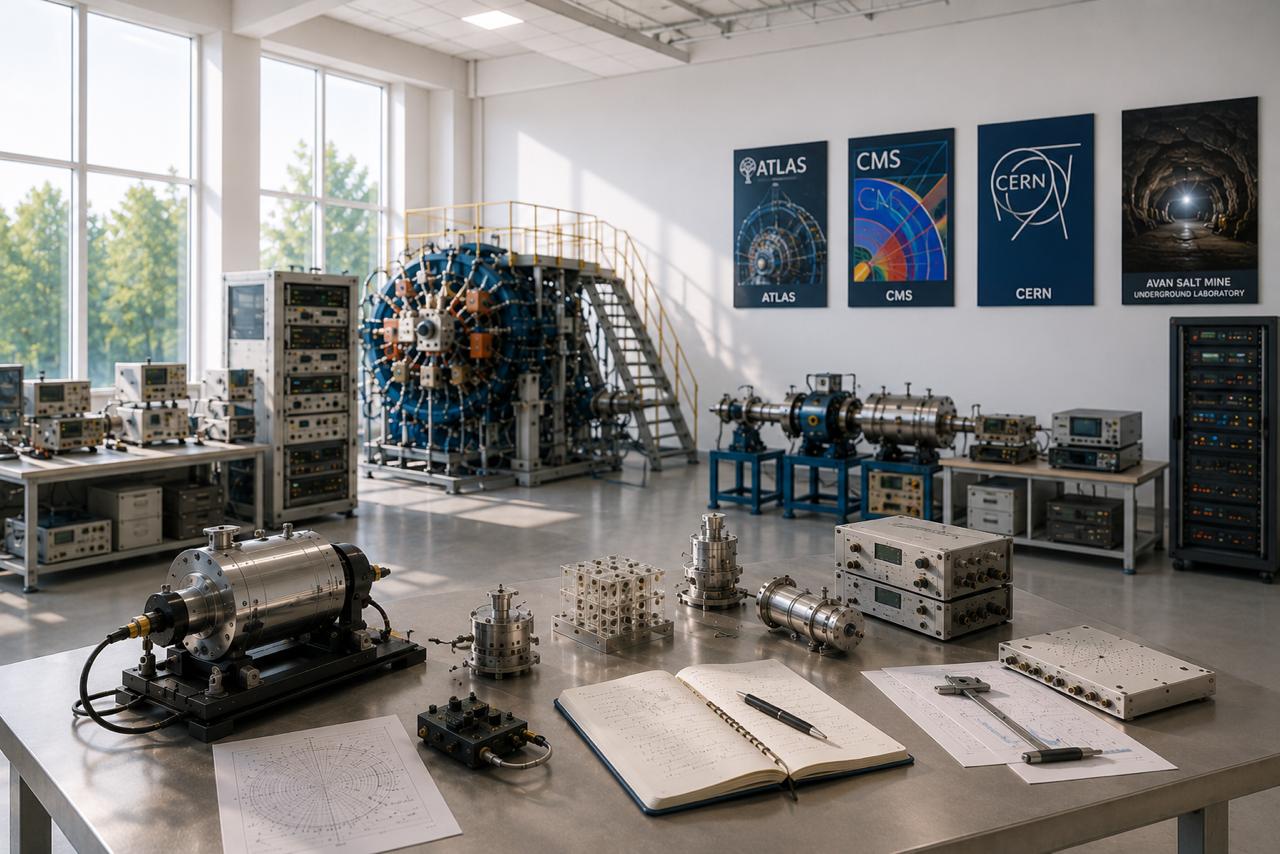
AANL Experimental Physics Division (EPD) has a long lasting tradition of research in the field of high energy experimental physics in a wide range of topics since the operation of Yerevan electron synchrotron (ARUS) with energy of up to 6 GeV in 1967

Matinyan Center for Theoretical Physics
Theoretical physics has been and remains one of the most developed natural sciences in Armenia. During the Soviet years Division for Theoretical Physics of Yerevan Physics Institute was the center of theoretical physics in Armenia leaded by its founder long-time head, professor Sergey Matinyan.
Center for Cosmology and Astrophysics
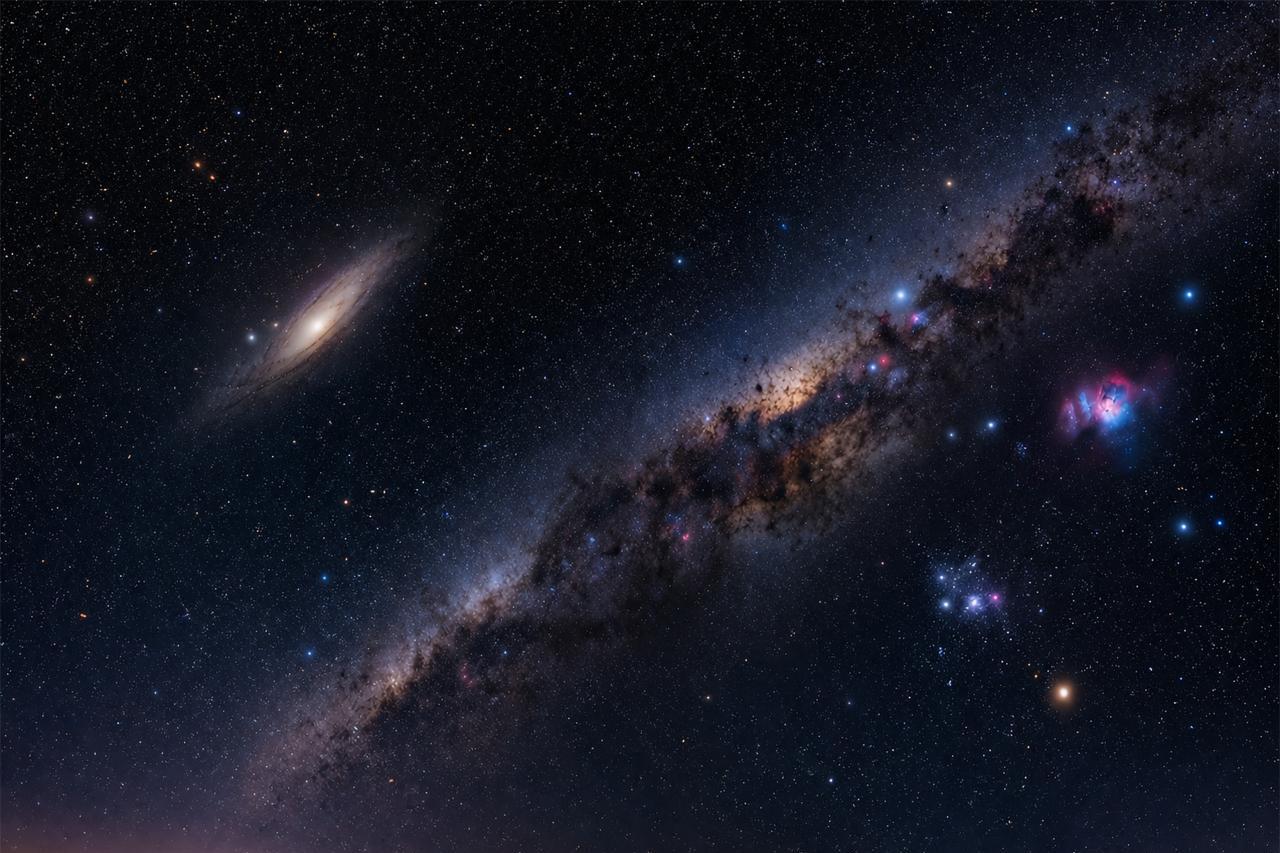
AANL Cosmology and Astrophysics Center conducts research dedicated to non-linear effects in cosmology, large-scale composition of the universe, chaotic dynamics of gravitational systems, study of the behavior of dynamic systems, data processing with machine learning algorithms.

Division for Quantum Technologies
The AANL Division for Quantum Technologies was established in 2022. The division members are engaged in theoretical calculations of quantum technologies. Their research findings are published in popular scientific journals.
Cosmic Ray Division
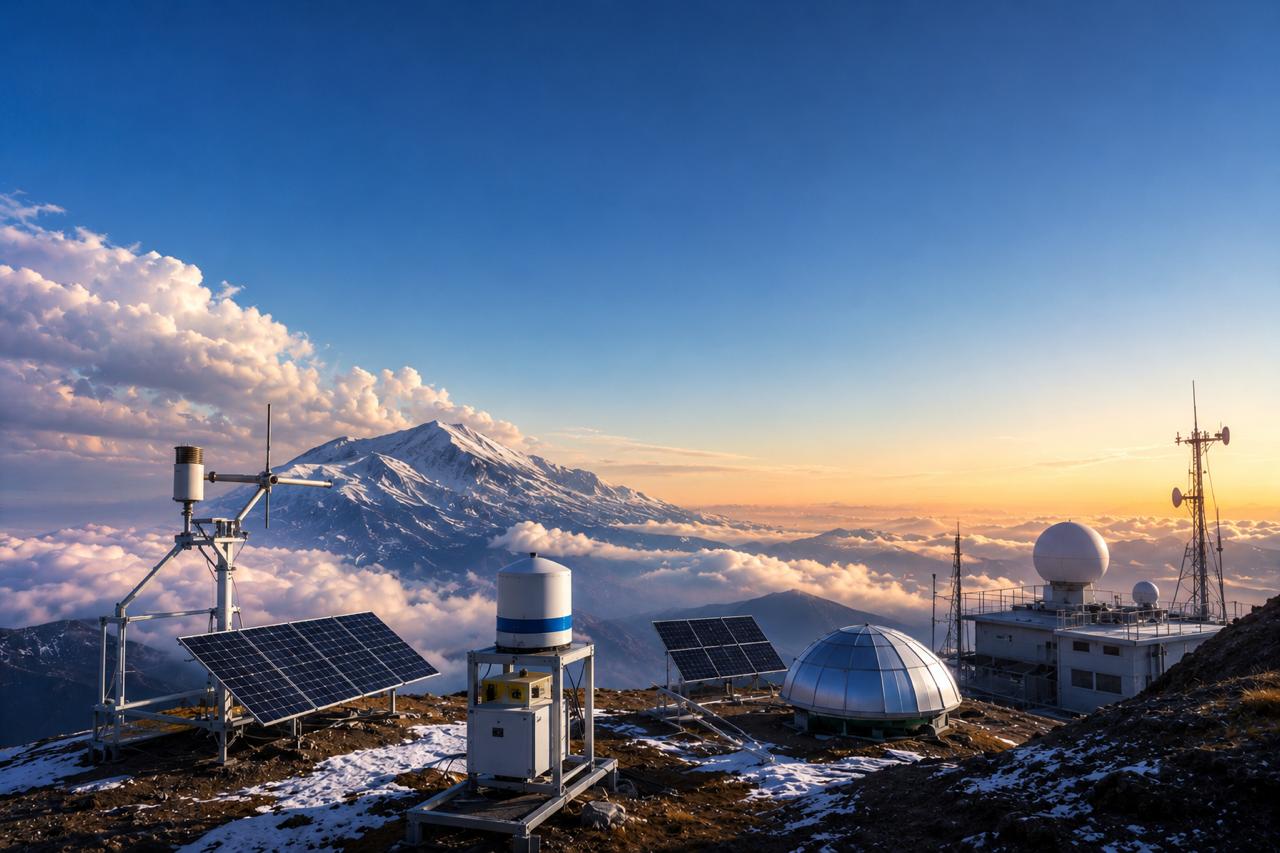
The Cosmic Ray Division (CRD), together with its unique high-mountain scientific stations, collaborates with many international organizations, and is the founder of the European SEVAN (Space Environment Viewing and Analysis Network) detector network.

Computational Physics and IT Division
Computational Physics and Information Technologies Division functions in two main directions: computational physics and data analysis (as scientific activity), development and maintenance of computing and network resources (as software and technical activity).
Applied Physics Research Division
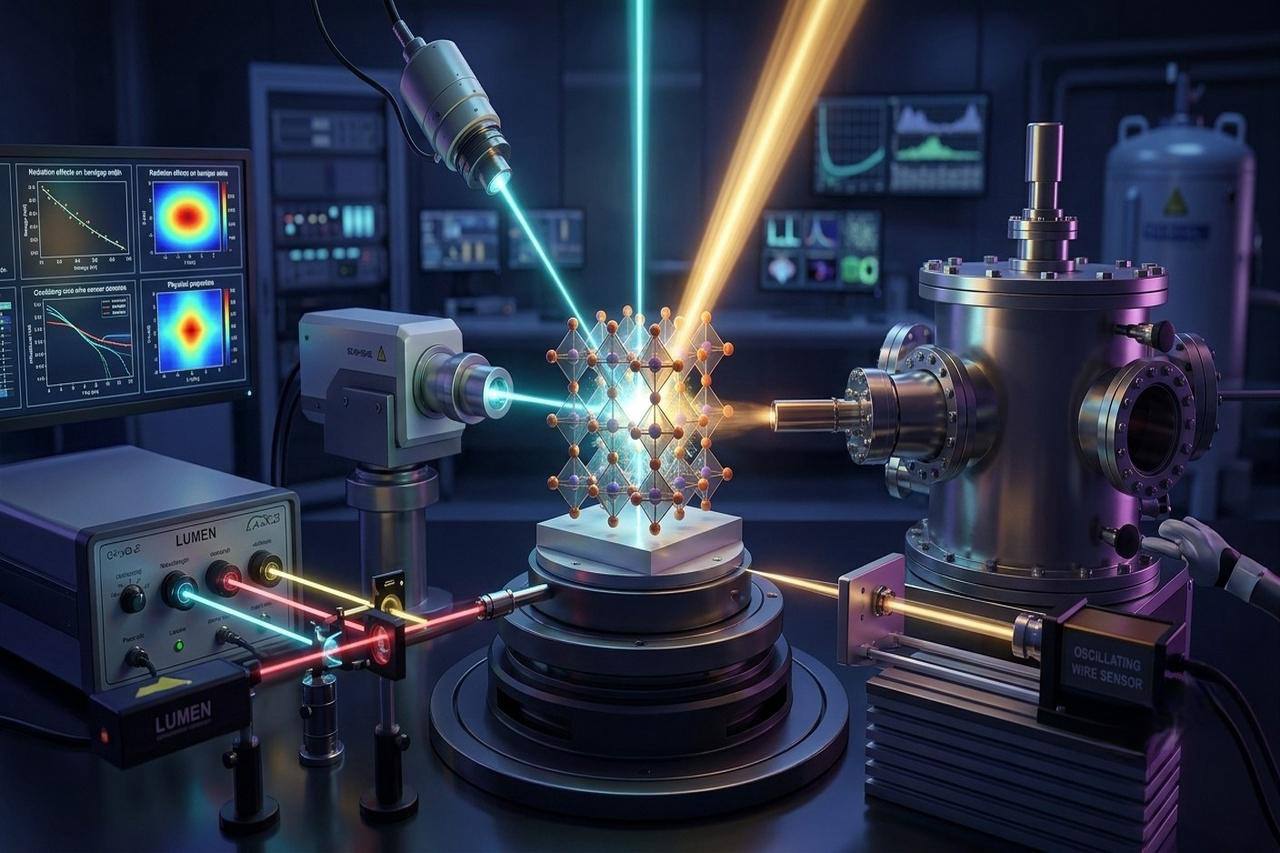
The Applied Physics Research Division conducts research in the field of materials science. One of the target directions of the Division is the study of the impact of radiation (electron, proton beams) on physical, optical and biological properties of matter.

 2 Alikhanyan Brothers Street, Yerevan